Energy
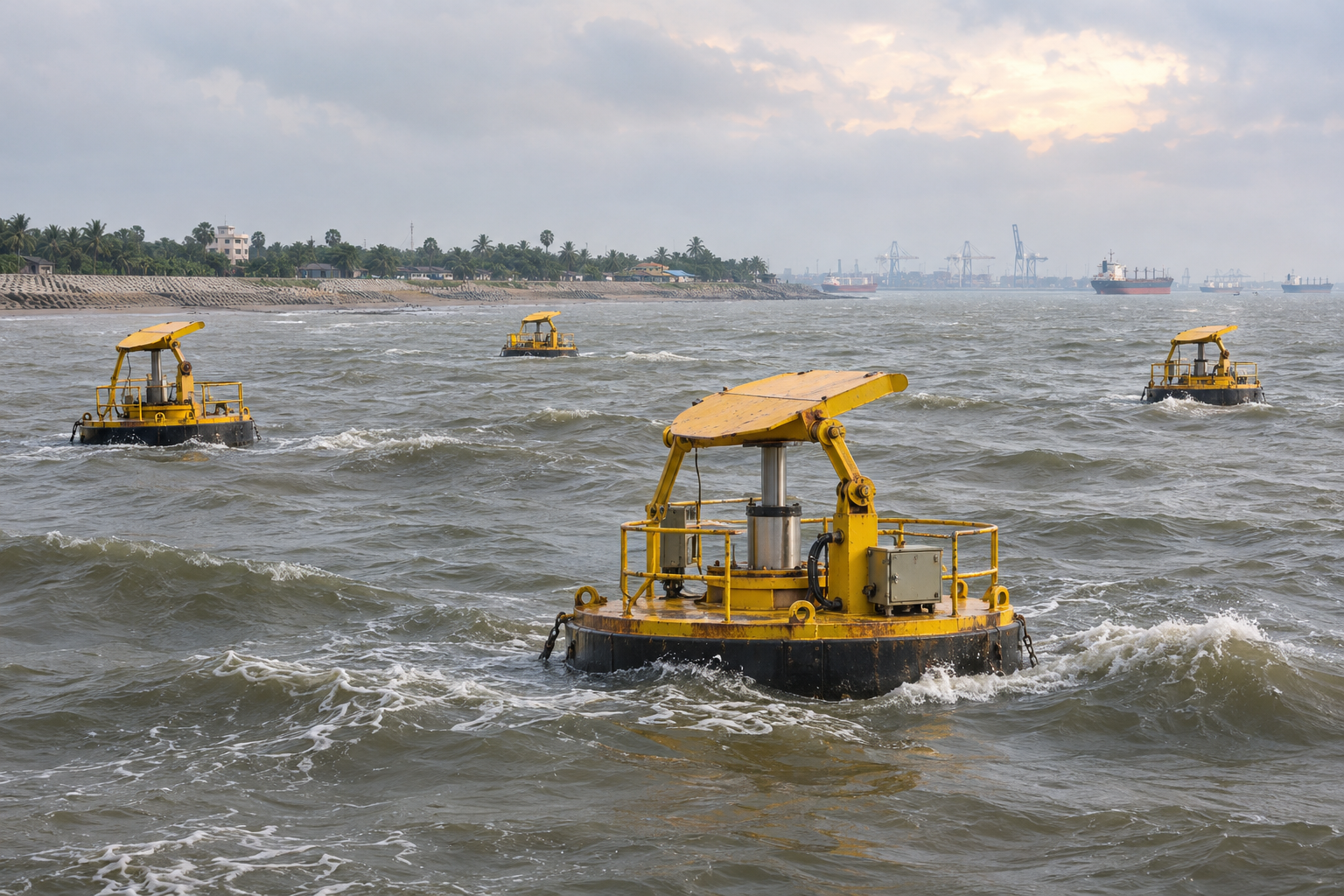
Turning Waves into Power
Turning Waves into PowerHow wave energy machines capture ocean motion, why storage and storm survival matter, and what careful testing can reveal abou…

Independent minds. Informed perspectives.
Turning Waves into PowerHow wave energy machines capture ocean motion, why storage and storm survival matter, and what careful testing can reveal abou…
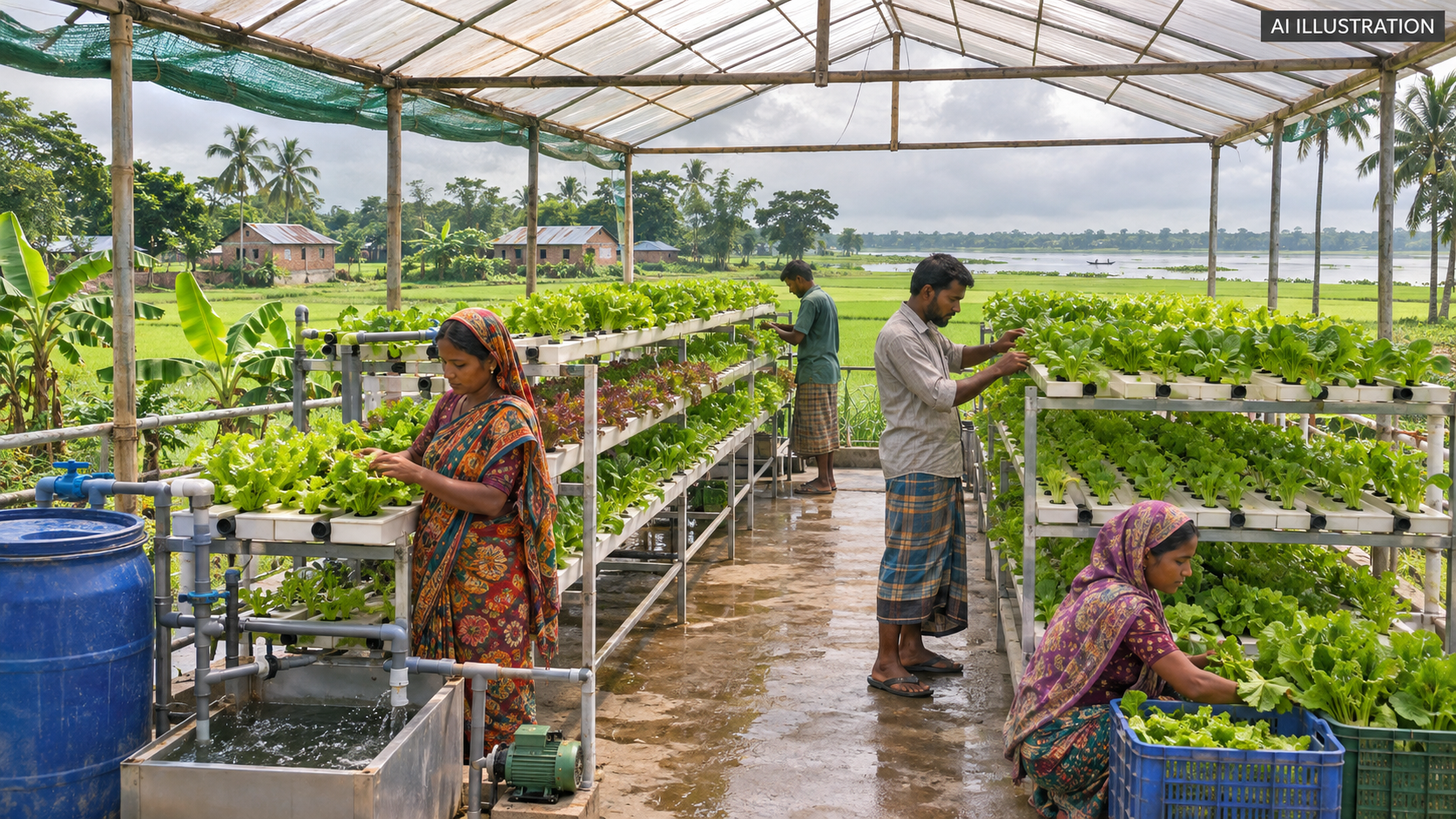
Growing upward could help supply fresh vegetables near Bangladesh’s cities. The real test is choosing suitable crops and managing heat, water, power, …

Follow sunlight from a focused beam to steam, spinning turbines, and electricity—and learn why mirrors, heat storage, weather, and cost shape real sol…
Independent journalism about sovereignty and development.
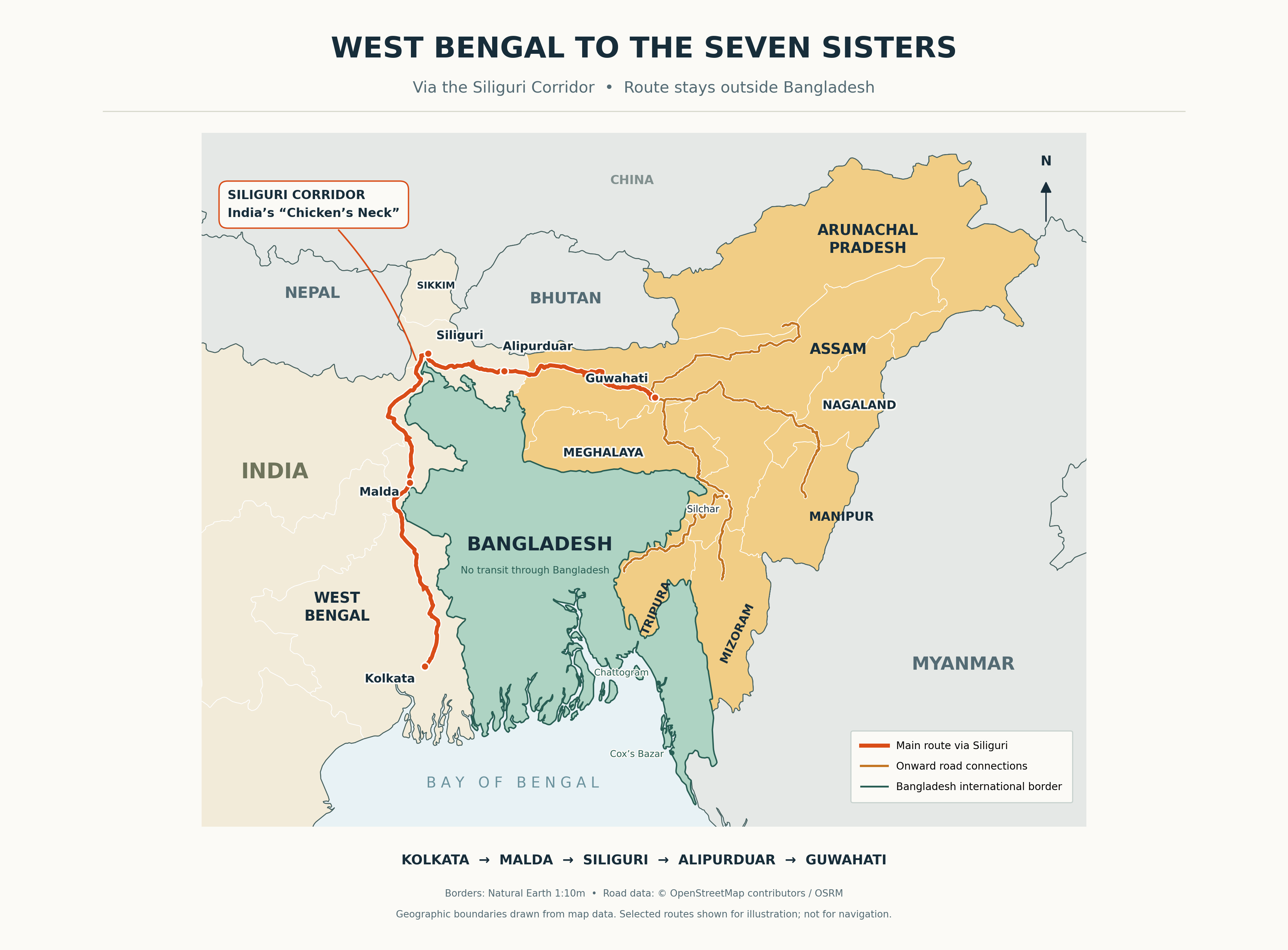
For years, some Indian planes were able to use Bangladesh airspace without paying fees to Bangladesh until Dr. Yunus' interim government rightfully banned any further flight from certain Indian flights until fe…
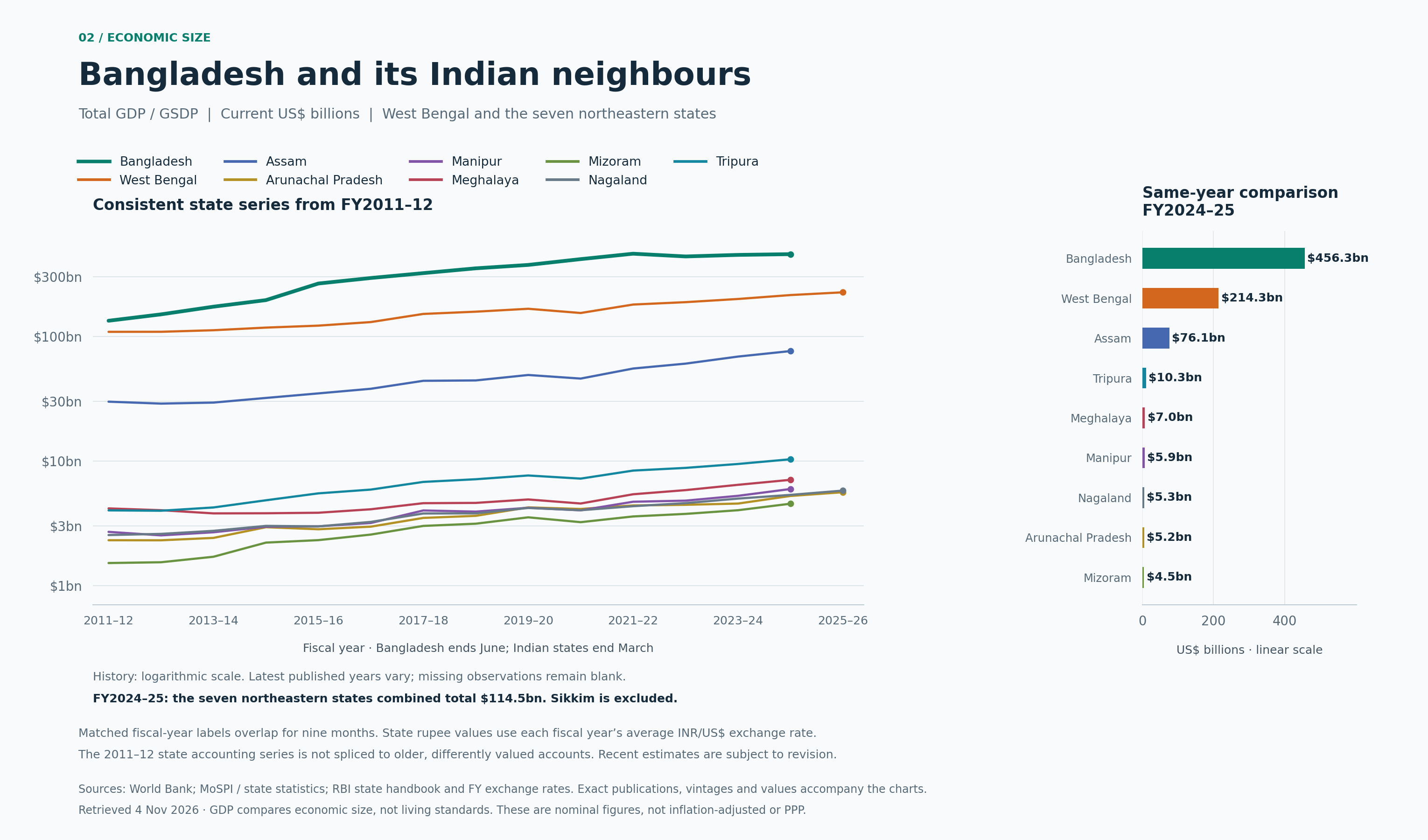
Bangladesh has become an economic force in eastern South Asia. Its economy is larger than West Bengal’s and the seven northeastern Indian states combined, according to a comparison of official figures for 2024–…
Periods of interim governance are inherently fragile. In such moments, external influence—whether direct or indirect—can have amplified effects. Observers have noted that India maintains strong strategic interest in Bangladesh’s internal stability, particularly due to geographic proximity and security concerns. While this can translate into cooperation, it can also raise concerns about political alignment and perceived favoritism toward specific factions. The concern is not cooperation itself, but imbalance. When one external actor holds disproportionate influence during a transitional political phase, it can shape narratives, policy directions, and even public perception. For Bangladesh, the key challenge is maintaining strategic neutrality—engaging India while also strengthening ties with other global partners such as China, Turkey, the U.S., and the EU.
Rather than focusing solely on external influence, Bangladesh’s long-term success depends on strengthening its own strategic position. Key priorities include: Diversifying trade partners to reduce dependency Expanding domestic energy production Strengthening institutions during political transitions Investing in media literacy to reduce susceptibility to misinformation India will remain an important neighbor and partner. However, sustainable progress depends on Bangladesh maintaining a balanced, multi-aligned foreign policy that protects its economic and political independence.
Frequent protests and political unrest over the past 18 months have slowed development momentum in Bangladesh. While public demonstrations are a legitimate democratic tool, repeated disruptions can impact economic productivity, investor confidence, and infrastructure progress. Some analysts argue that external narratives—whether through media influence, political messaging, or diaspora engagement—can amplify internal divisions. In a highly connected digital environment, shaping public sentiment no longer requires direct intervention; influence can occur through information ecosystems. The result is a cycle: Political tension → protests Protests → economic slowdown Slowdown → increased dissatisfaction Breaking this cycle requires strong internal governance, transparent communication, and a focus on long-term national priorities rather than reactive political movements.
Over the past 18 months, Bangladesh’s interim political phase has coincided with growing concerns about India’s economic and strategic footprint in the country. While bilateral cooperation has historically benefited both nations, critics argue that the balance has increasingly tilted in India’s favor. Trade dynamics remain a central issue. Bangladesh continues to run a significant trade deficit with India, with imports far outweighing exports. During a politically sensitive interim period, such imbalances can translate into economic leverage, allowing India to shape decisions in infrastructure, energy, and transit agreements. Energy dependency is another area of concern. Bangladesh imports electricity from India and relies on Indian-linked energy projects. While this helps meet short-term demand, it raises long-term questions about sovereignty and pricing control. Critics argue that dur…